Share your perspective on recovery and resilience across Greater Houston.
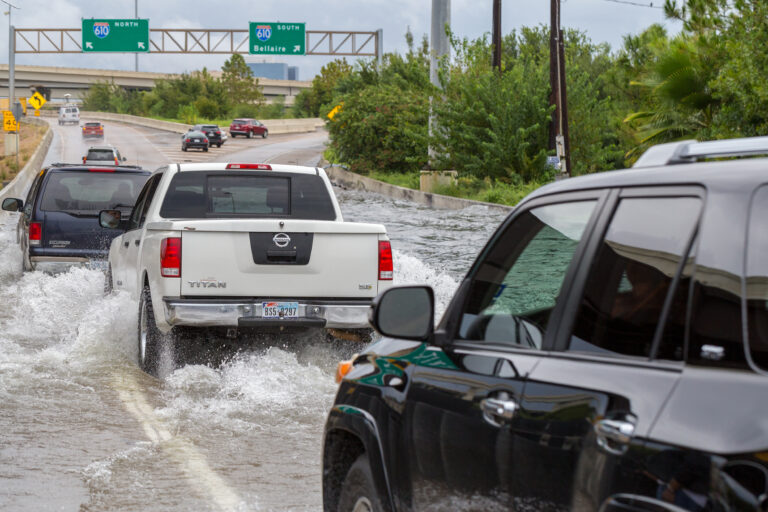
A decade after Hurricane Harvey, Greater Houston has made significant strides in recovery and resilience across Harris County. Now, the region has an opportunity to reflect on what has worked, where challenges remain, and how to build a stronger future.
Harvey at 10 is a regional initiative led by the Greater Houston Disaster Alliance, with research led by Texas A&M University’s Hazard Reduction & Recovery Center. We want to hear what has changed since Harvey, what still needs work, and what should come next. Your input will help inform the research, recommendations, and regional conversations leading up to August 2027.
Our work is grounded in the communities with the greatest need—where vulnerability is high and access to timely, trusted support is limited.
By expanding culturally responsive, multilingual resources and preparedness opportunities, we are helping more residents build the knowledge, tools, and resilience needed to prepare for, withstand, and recover from disasters.
Greater Houston has and will continue to face the risk of extreme weather events due to our Gulf Coast vicinity. This new initiative brings together Greater Houston Community Foundation and United Way of Greater Houston’s combined 35 years of experience in philanthropic disaster recovery efforts.
Leveraging our shared experience, this critical partnership intends to significantly enhance our region’s ability to cope with disasters, enable better allocation of time and resources during times of disaster, and ultimately, increase the speed and quality of recovery and resiliency for our most vulnerable neighbors.
Greater Houston Community Foundation and United Way of Greater Houston have distributed over $250 million in disaster recovery support since 2005. It is critical we invest in the systems and processes that allow us to effectively raise and distribute these resources quickly following a disaster, outside of when we are actively responding to a disaster.
Greater Houston Community Foundation and the United Way of Greater Houston stand together in our commitment to improving our region’s preparedness through the creation of the Greater Houston Disaster Alliance.
Why Our Work Matters
“
When it comes to disasters, we know it’s only a matter of time before the greater Houston area will be impacted again and the Greater Houston Disaster Alliance gives us the opportunity to take a more proactive and effective approach to disaster resiliency and recovery. Having the generous support of Enbridge and Phillips 66 is extremely meaningful and we are grateful to them for prioritizing the safety and wellbeing of our community in times of disaster.
Steve Maislin, President and CEO, Greater Houston Community Foundation
“
With every disaster, we see that families and individuals who were already struggling to afford the basic necessities are disproportionately impacted when crisis strikes. Recognizing the economic peril that many in our community face when disaster strikes, compels us to develop the most effective social service response that we can now. That is why the work of the Greater Houston Disaster Alliance is so important.
Amanda McMillian, President and CEO, United Way of Greater Houston
“
Enbridge is keen about safety and being prepared for events that may occur is a critical part of that. The Disaster Alliance gives hard-working Houstonians the tools and resources to navigate future natural disasters and their long-term impact. The partnership builds relationships and systems to improve resiliency, response, and recovery in our region. This is vitally important work that we are proud to support.
Greg Ebel, President and CEO, Enbridge
“
“Phillips 66 is committed to building a stronger, safer, more resilient community. The Disaster Alliance works toward that goal by inspiring action, identifying solutions and improving lives. It’s a purposeful partnership that will make Houston more secure economically, socially and environmentally.”
Mark Lashier, President and CEO, Phillips 66
“
When disaster strikes, we are reminded that no one organization can fix it all. It requires a collaborative, coordinated response from the nonprofit, for-profit, public sector, and philanthropic communities to ensure the most vulnerable in our region get the help they need to start the recovery and rebuilding process.
Bob Harvey , Incoming Board Chair, Greater Houston Community Foundation and Co-chair, Disaster Recovery Council
“
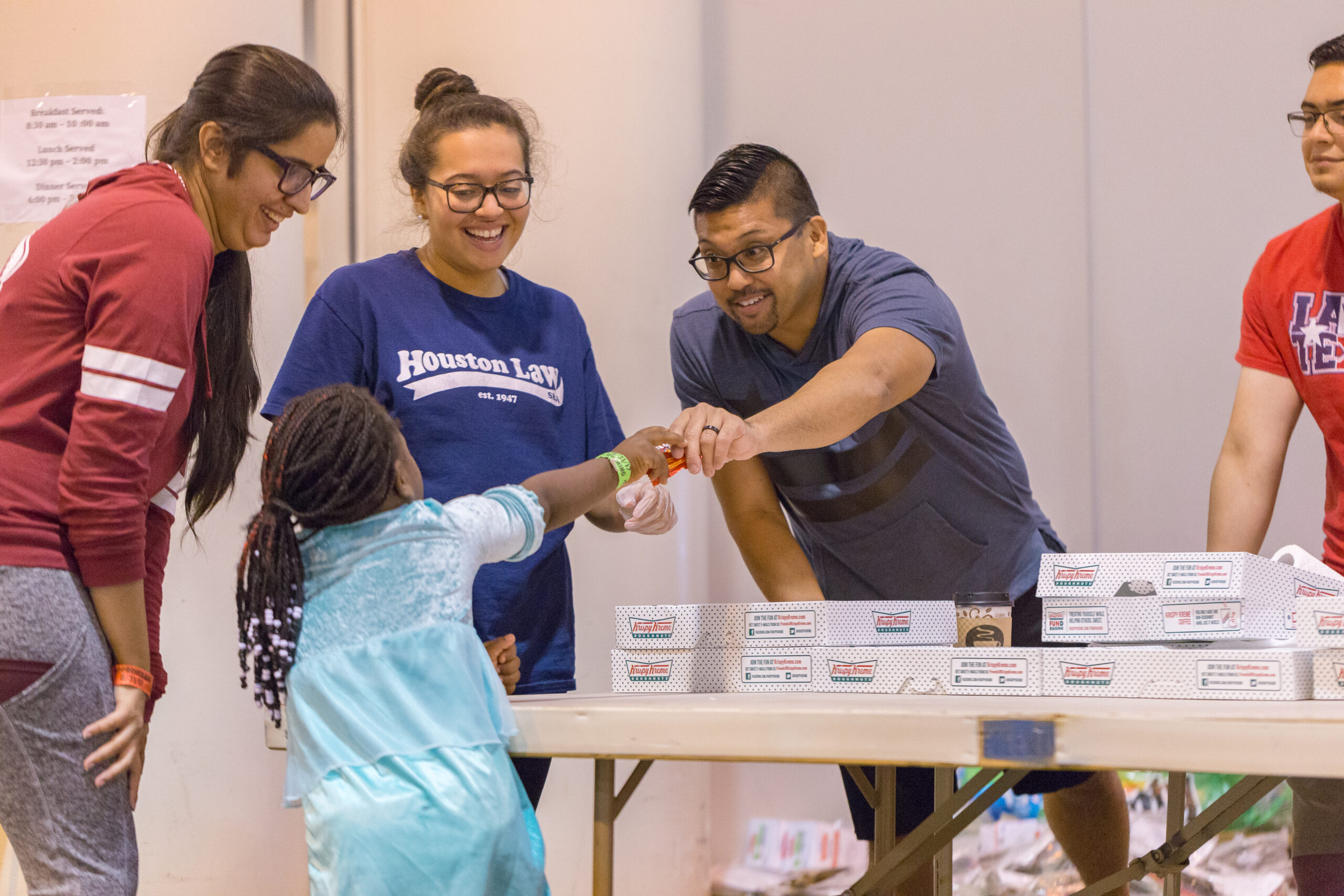
In addition to the Recovery Fund, we can’t do as much as possible without volunteerism ... We have a one-stop-shop, an easy phone number where you can request help and offer help, and that is 211.
Lina Hidalgo, Harris County Judge
“
What we’re witnessing today is Houston's greatness. There's no other community in Texas or the nation that comes together during a crisis to bring the different groups, united groups to be able to accomplish what has been proposed today.
Mayor John Whitmire, City of Houston
Stay Informed. Stay Prepared. Stay Connected! Sign Up for the Greater Houston Disaster Alliance Newsletter